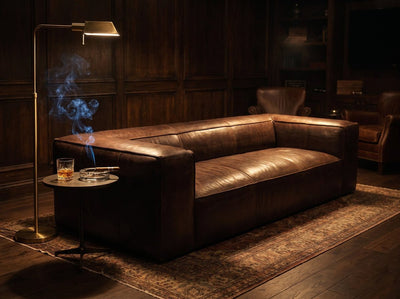

The Rumpus buyer's guide · 8 minute read
Buying a leather lounge, without the guesswork
What leather grades mean, what a frame should be made of, and why prices vary by thousands. Seven short chapters and five questions to ask before you choose.
A little knowledge before a considered purchase.

01 The hide
One word. A world of difference.
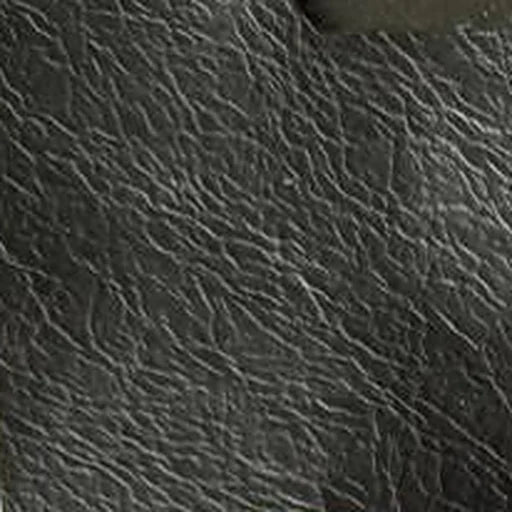
Two lounges can both say leather on the label and feel quite different after a few years. Start with the layer of hide, then ask what has been done to its surface.
| Leather description | What it is | How it wears | Where you find it |
|---|---|---|---|
| Bonded | Leather fibres and scraps held together with a binder, usually on a backing. It is not an intact hide. | The surface can crack, flake or separate. It does not develop the patina of an intact hide. | Entry-price furniture, often with a leather-look finish. |
| Split Often sold as “genuine leather” | The lower layer left after a hide is split. It may be coated and embossed to resemble the top surface. | Performance depends on the coating and construction. A coated surface may wear through or peel. | Budget upholstery and some backs or outside arms. “Genuine leather” alone does not identify the grade. |
| Corrected / pigmented top-grain | The upper layer, with its surface buffed or corrected and a pigmented finish applied for a more even appearance. | A protective finish can make everyday cleaning easier. Heavy wear can damage the finish; care still matters. | Everyday family lounges where a consistent colour and finish are wanted. |
| Top-grain semi-aniline The Rumpus choice | The upper layer, dyed and finished with a light protective coat. Natural variation remains part of the look. | Develops a patina with handling and use. The light finish offers some protection, but spills and sunlight still need attention. | Furniture chosen for the feel and character of the hide, with some surface protection. |
| Uncorrected aniline | An uncorrected grain surface, coloured with transparent dyes and little or no protective pigment. | Shows natural marks readily and absorbs spills more easily. Colour changes and patina are part of the trade-off. | Specialist upholstery for buyers comfortable with a more exposed natural surface. |
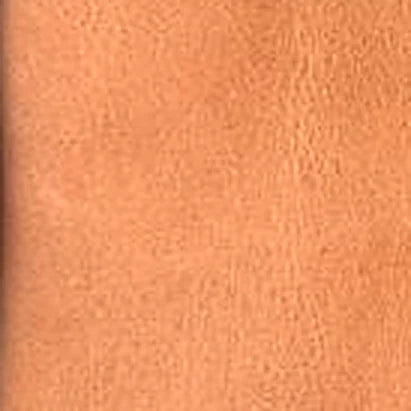
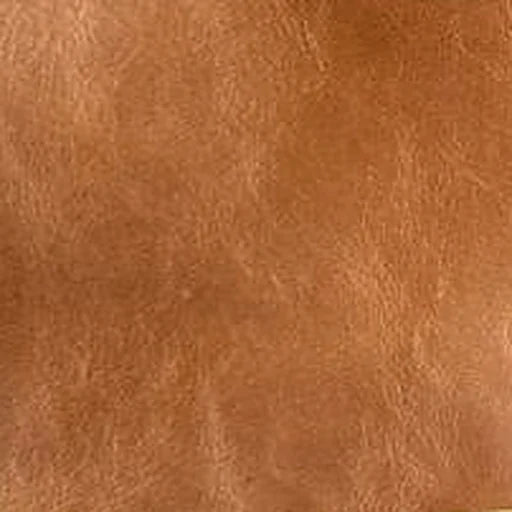
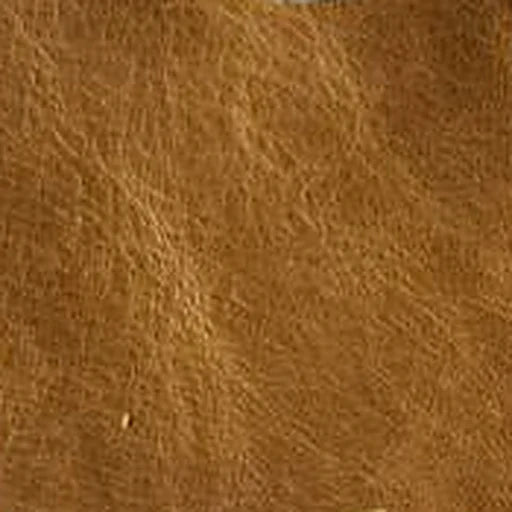
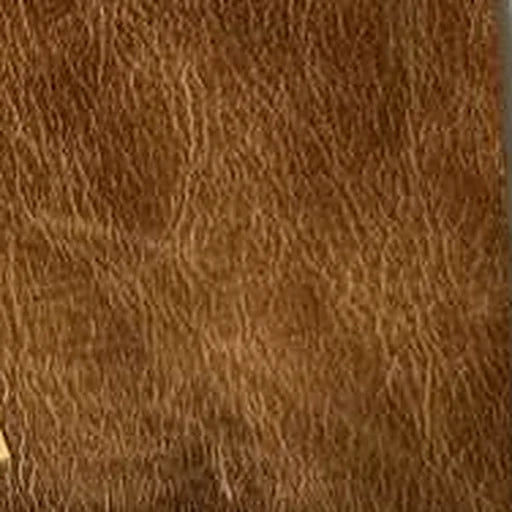
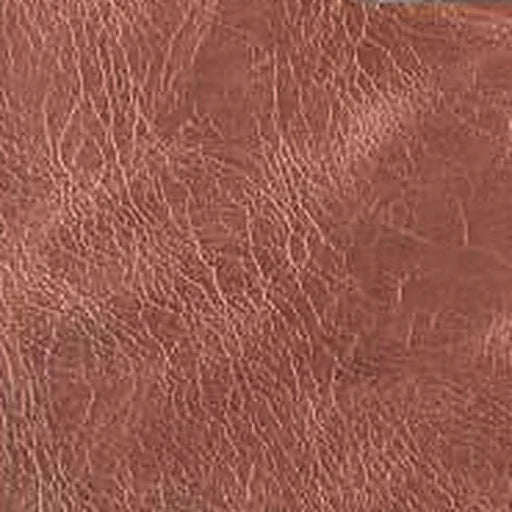
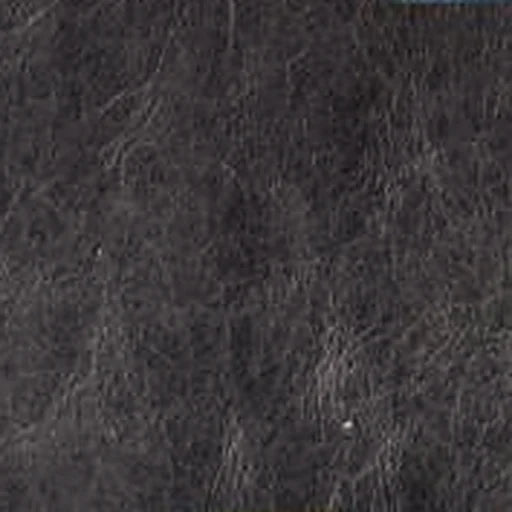
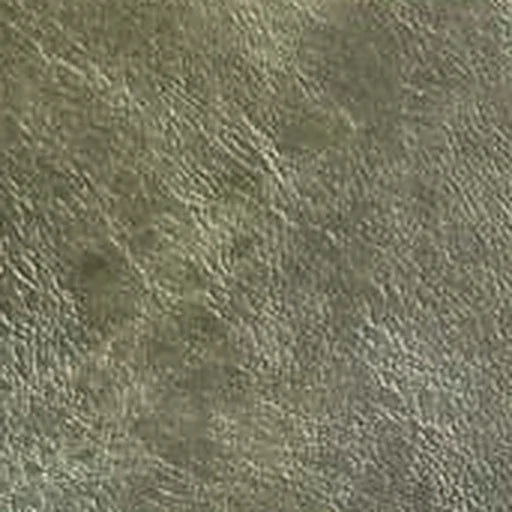
Twelve of our 30 hides.
See the full swatch library



A question worth asking“Is the back and the outside of the arms the same leather as the seat?”
02 The frame
Good sitting starts underneath.
You cannot judge the inside by running your hand over the leather. Ask for these three specifications in writing. Each does a different job.
Frame
A sound foundation.
Rumpus uses solid hardwood, kiln-dried to 8 to 12% moisture, with mortise-and-tenon joints and corner blocks. Drying reduces movement in the timber; the joints and blocks help keep the structure steady.
Ask whether the load-bearing frame is hardwood, plywood or particleboard, and how the joints are secured. Stapled ply or particleboard is a different construction from joined solid hardwood.
Suspension
Support with some give.
Sinuous steel springs are zig-zag lengths of steel stretched across the frame beneath the cushions. They flex under your weight and help support the seat. That is the system inside a Rumpus.
Eight-way hand-tied springs are a different construction, not automatically better for a deep-buttoned seat. Ask how the whole seat is built, rather than judging it by one phrase.
Cushions
The feel you come home to.
Our high-resilience foam has a density of 35 to 40 kg/m³. Density tells you how much material is in the foam, not simply how firm it feels. It matters when comparing how a seat holds its shape.
As a rule of thumb, foam below about 28 kg/m³ can soften within a couple of years of regular use. Weight, use and the rest of the cushion construction all affect that.
03 Made to order
Commissioned, not stocked.
You choose the piece and the hide before the work begins. Allow 12 to 14 weeks. It is a considered wait, so it pays to settle the colour and check access first.
- 01
Commission and choose your hide
Choose a shape and size from the range, then the hide from all 30. Ask about any details you want to settle before ordering.
- 02
Cut and built
The hide is cut for your piece, the frame is built and the upholstery takes shape around it.
- 03
Checked and shipped
The completed piece is checked before it is prepared for shipping. Making and freight both sit within the lead time.
- 04
Delivered
Delivered Australia-wide. Freight is quoted at checkout or by postcode, so include it when planning your budget.
What the wait changes
There is no floor stock sitting ready to sell, and no cycle of floor-stock markdowns to fund. The price supports the piece being made for your order. That does not make every made-to-order lounge better; the hide, frame and upholstery still need to stand up to the same questions.
04 Will it fit
Room to sit. Room to move.
Mark out the footprint with masking tape. Leave the usual walkways clear and see where a side table will go. Then measure the journey from the street to that spot.
| Piece | W | D | H |
|---|---|---|---|
| Winston Armchair | 120 | 99 | 73 |
| Winston Two-Seat | 182 | 99 | 73 |
| Winston Three-Seat | 247 | 99 | 73 |
| Winston Grand · Four-Seat | 302 | 99 | 73 |
Every product page carries dimensions. If a measurement is missing here, ask us to confirm it before ordering.
05 Care
A little care. More character.
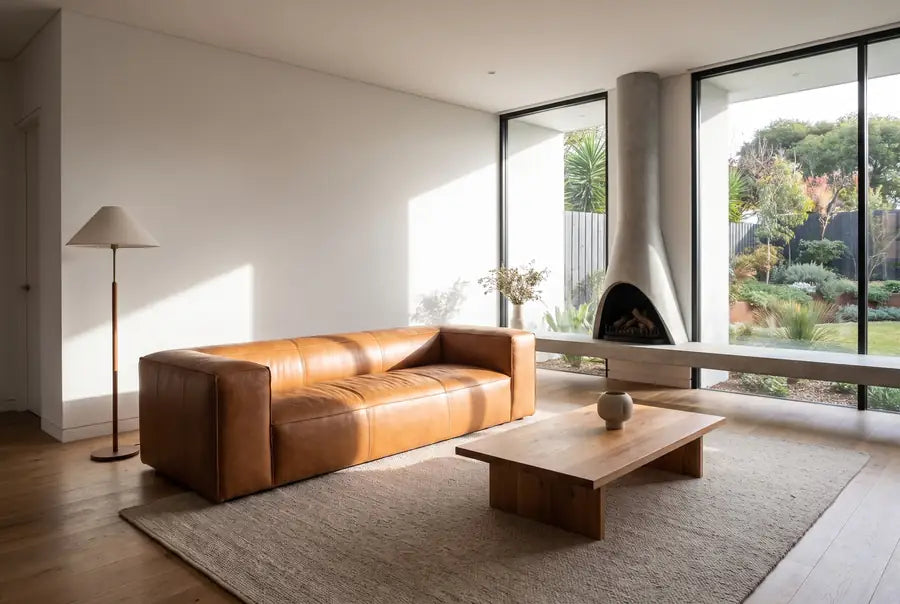
Semi-aniline leather asks for simple, regular attention. The aim is to care for its surface while letting the patina develop.
- Once a week
- Dust with a soft, dry cloth, including the seams and buttoning. It keeps everyday grit from building up on the surface.
- When something spills
- Blot promptly, without rubbing. Use a lightly damp cloth only for cleaning, never soak the leather or reach for household sprays.
- Where it lives
- Keep at least half a metre from heaters and out of direct sun. Heat and strong sunlight can dry the hide and change its colour.
- Once or twice a year
- Condition with a cream labelled safe for semi-aniline leather. Follow its instructions and test a small, hidden area first.
06 The price
Know what you are paying for.
The gap between two leather lounges can be thousands. Size, hide, construction, design and retail overhead all play a part. A price tag is a starting point for questions, not a grade of leather.
Broad shopping bands in Australian dollars (AUD), before delivery. These are indicative categories, not a market survey or a guarantee of what any retailer uses.
- Under $2,000
- Often bonded or split leather over a ply or particleboard frame. This end of the market can mean a shorter useful life. Check the specification carefully.
- $2,500 to $5,000
- Top-grain armchairs and two-seats on hardwood frames become options. Compare the finish, suspension and foam density as well as the size.
- $5,000 to $9,000
- Three and four-seat pieces in top-grain leather, including made-to-order furniture. More hide and a larger frame account for part of the difference.
- $10,000 and above
- Designer names, distinctive design and retail margin can account for more of the price. Ask what changes in the materials and construction, too.
Where our range begins
Current Rumpus starting prices.
Freight quoted at checkout or by postcode.
07 Five questions
Good questions. Straight answers.
Take these to any retailer, including us. A clear answer is worth more than a reassuring adjective.
- 01
What grade is the leather, and is it the same on every surface?
Our answer
Top-grain semi-aniline hide. The backs and outside arms carry the same grade as the seat, so you can place the piece away from a wall.
- 02
What is the frame made of, and how is it joined?
Our answer
Solid kiln-dried hardwood, with mortise-and-tenon joints and corner blocks. Those are the construction details to compare, beyond the word “timber”.
- 03
What is the foam density?
Our answer
High-resilience foam, 35 to 40 kg/m³, supported by sinuous steel springs. Density is a useful specification; it is not a rating of how soft the seat feels.
- 04
What does the warranty cover, and for how long?
Our answer
Three years from delivery, covering manufacturing defects in the frame, suspension, cushions and leather, including stitching. Home and business use are supported; hire is excluded. Natural patina and ordinary wear are not manufacturing defects.
Read the warranty and its coverage - 05
Who do I call if there is a problem?
Our answer
Call our Australian number and speak with a Rumpus specialist. Keep your order details handy so we can help with the right piece.
02 7248 6718
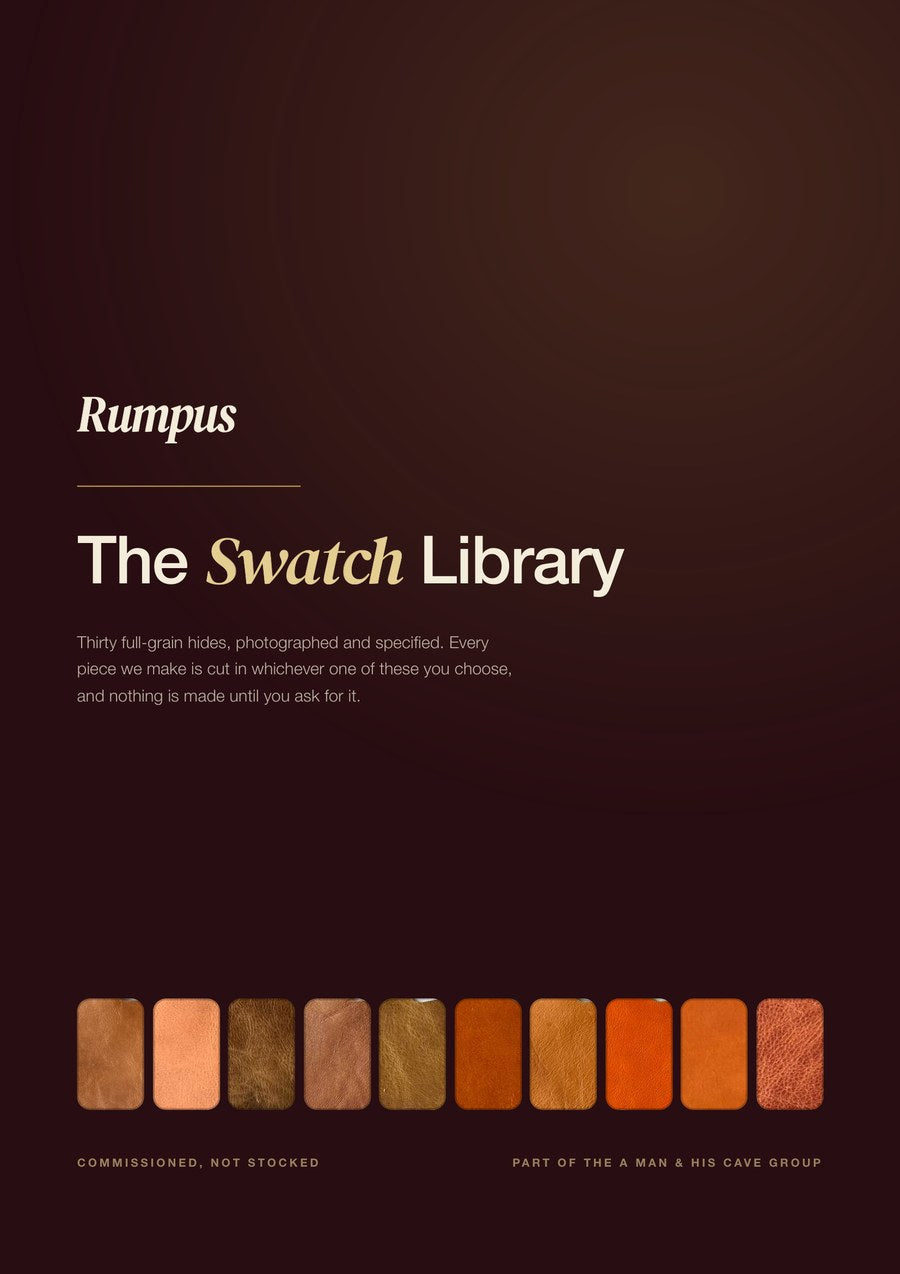
The swatch library · free digital download
Find the hide that feels like home.
All 30 hides, photographed from the physical samples, with notes on their character and the colours they sit with. Put a few beside your plans for the room and take your time.
This is a digital library. Screens and room light change how colour appears. A specialist can help you narrow the choice.
The library opens in a new tab after you submit.
For the library or a hand choosing, call 02 7248 6718
Made for the good hours
A clearer picture. A piece of your own.
Browse the shapes and sizes, or bring your questions to a ten-minute call.